Search Architecture
Upstream Vendor Lock-In Patterns That Compound When Your Retrieval Layer Wraps a Search Engine
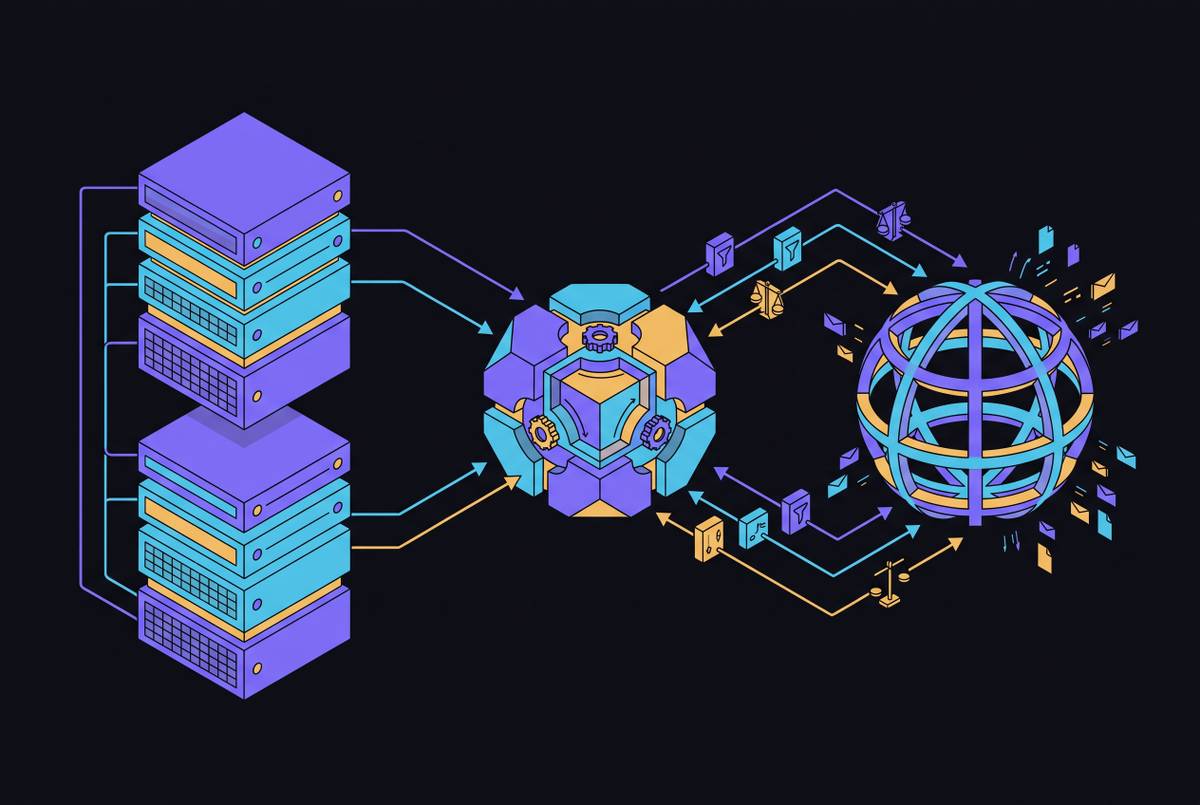
Wrapping upstream search APIs creates hidden dependencies that compound across your entire stack.
Mirela Ostrowski
· 8 min read
Wrapping upstream search APIs creates hidden dependencies that compound across your entire stack.
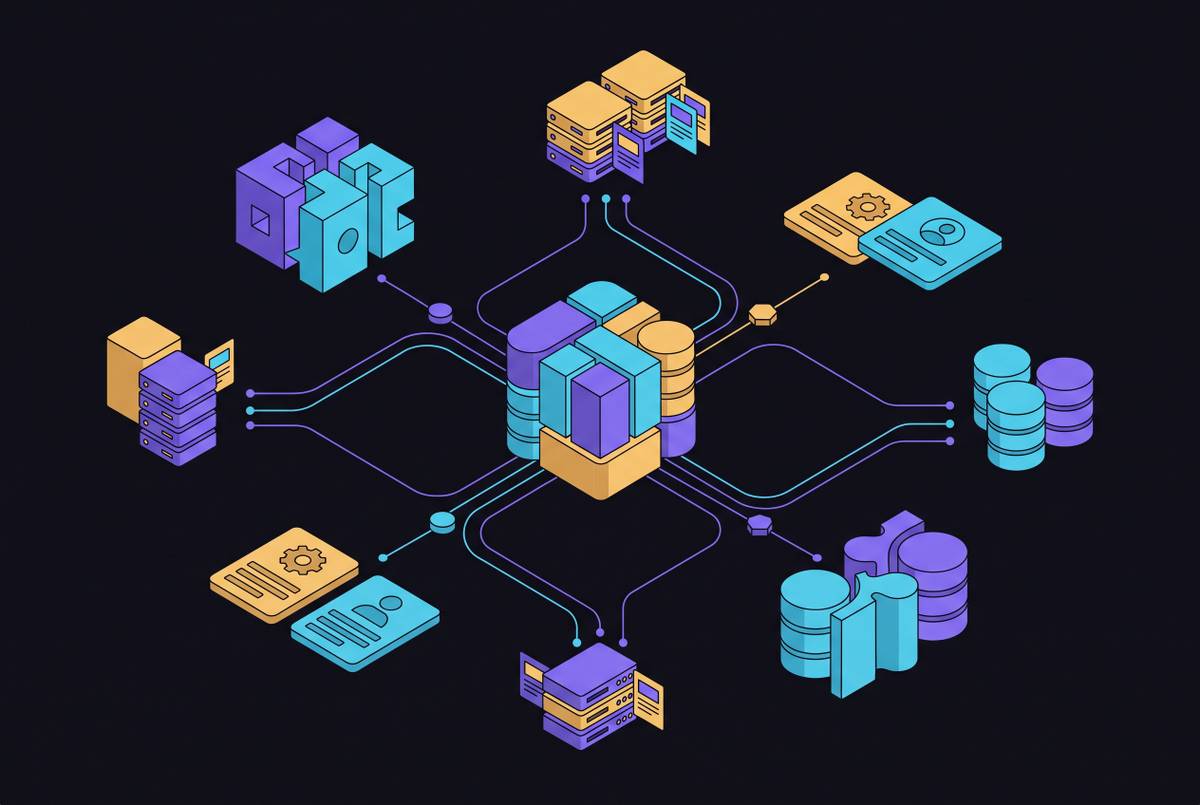
Knowledge graphs need continuous maintenance mechanisms to stay accurate as facts change.
SOC 2 Type II audits reveal how retrieval vendors handle live web content in AI pipelines.
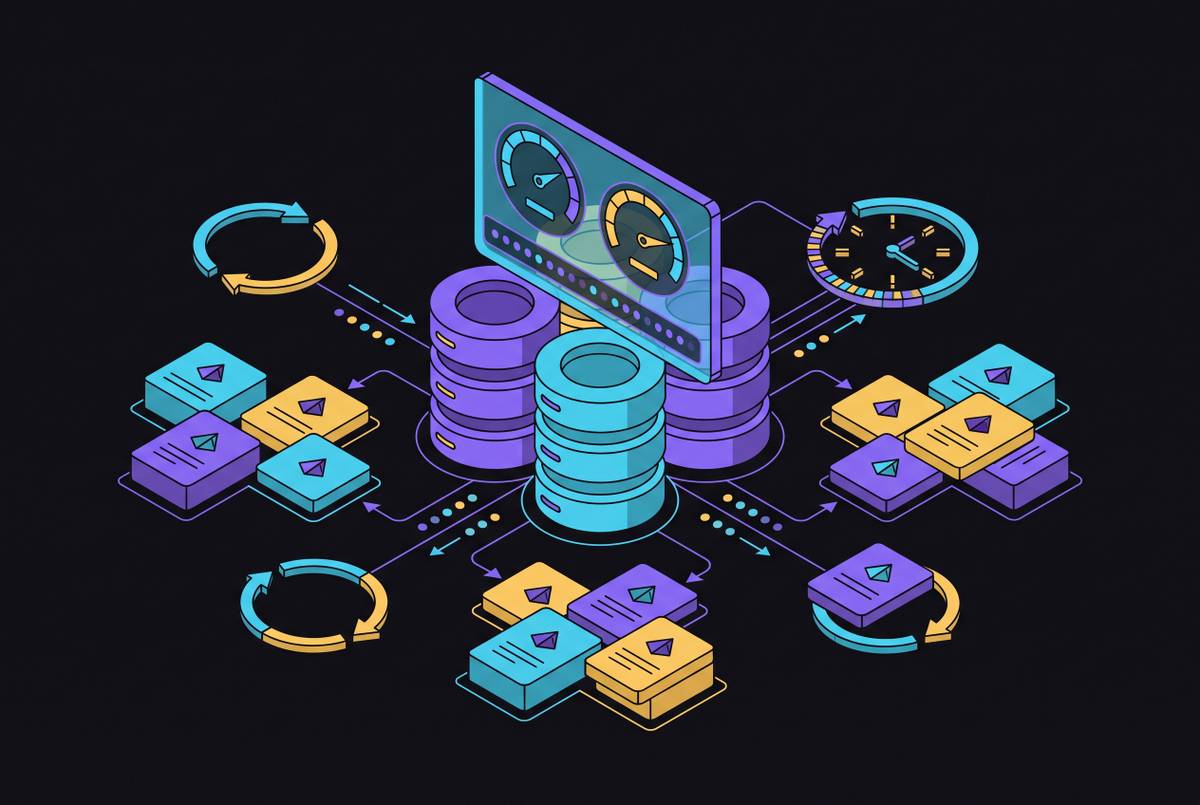
Production RAG systems need architecture that syncs updates across retrieval, vectors, and cache.
Controlling web retrieval infrastructure determines AI reasoning quality more than model capability.
Design passage-level retrieval to manage latency, freshness, and context costs together.
Reliable AI systems need infrastructure that identifies entities correctly before reasoning begins.
Stale entity data can produce confident AI answers without any error signal.
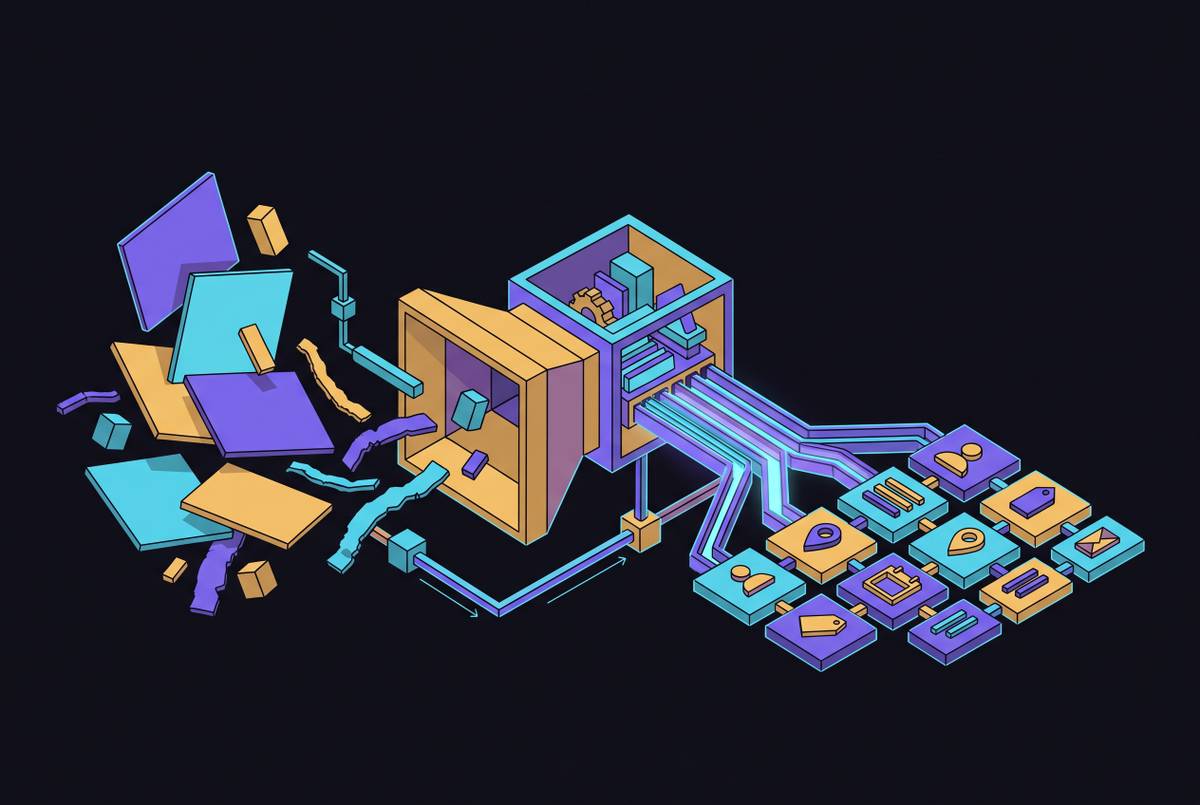
Four pipeline stages turn messy HTML into reliable entity records for AI systems.
Architecture and vendor coverage determine whether web-retrieval AI meets HIPAA requirements.
Contracts must define data ownership, training rights, and exit terms in AI retrieval agreements.
Attackers hide instructions in web content to hijack AI agent decisions.